Immediate Material
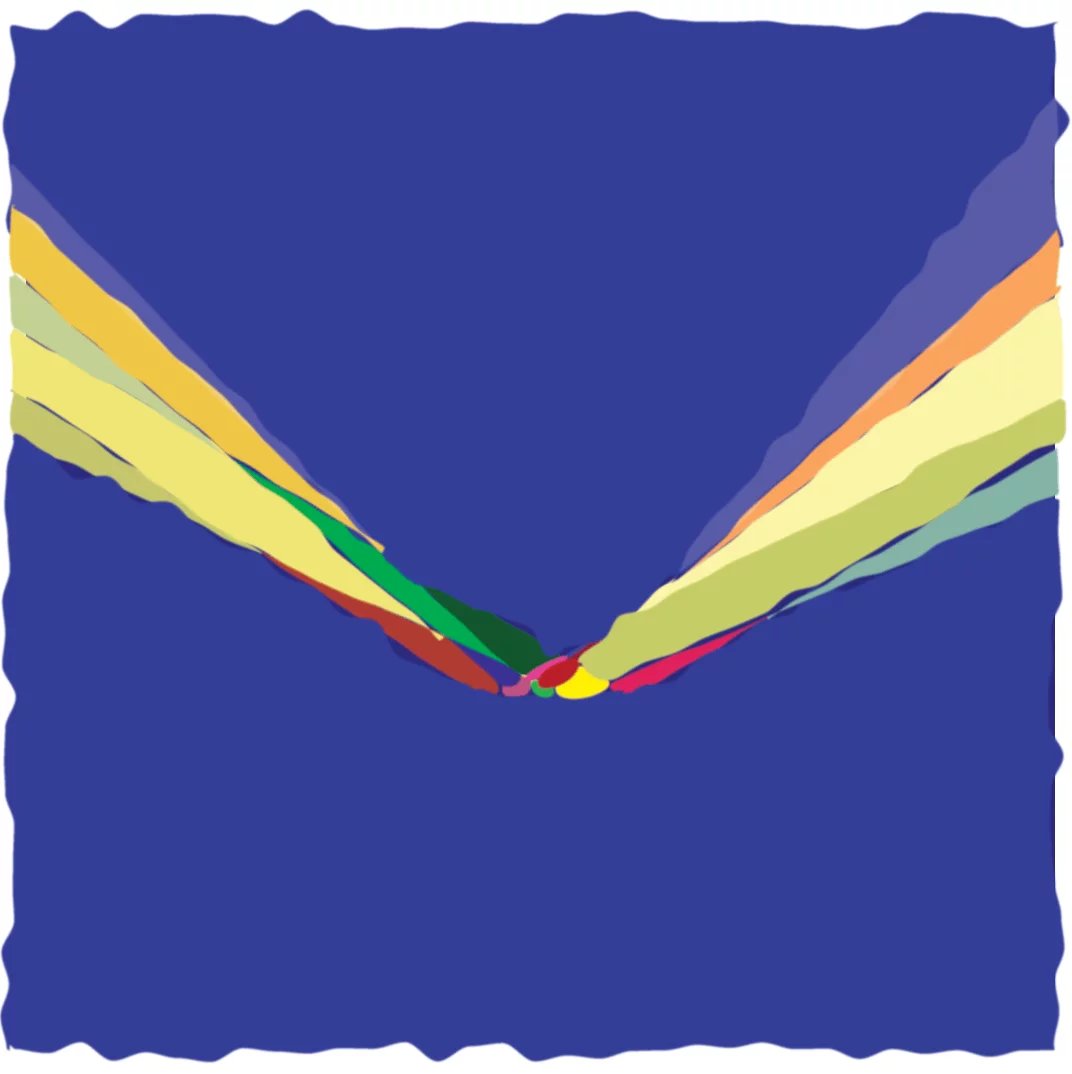
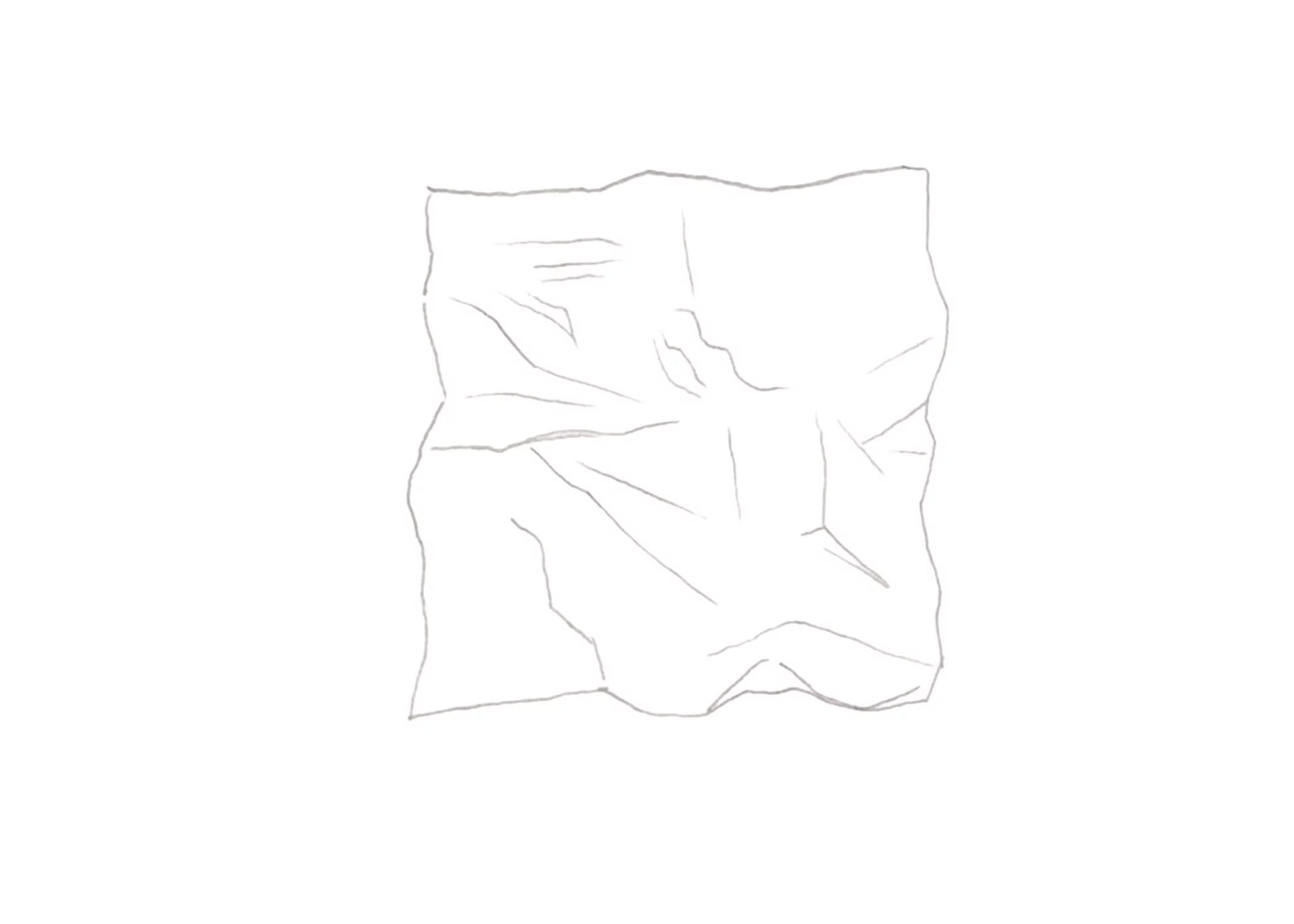
Immediate Material is a collaborative project bringing together artists and scientists to expand the visual language of science communication. The project comprises a growing collection of drawings that externalize participants’ ideas, feelings, and areas of research. Each contributor has spent significant time thinking about and/or working within their subject area, though many may not have previously had the opportunity to translate these ideas into visual form.
Below, you can learn more about the project’s background, explore its first drawings, and discover more about visual vocabulary.
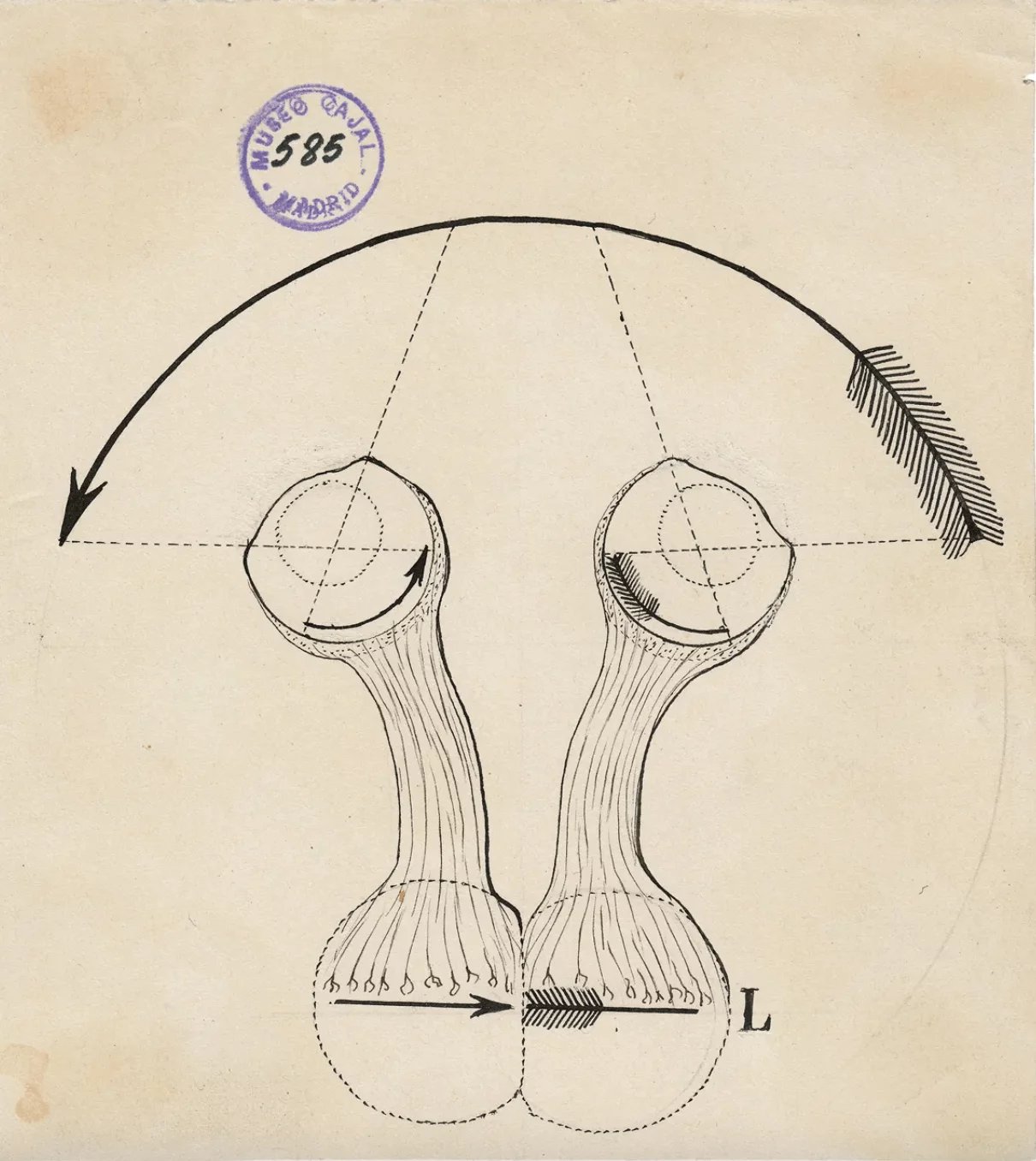
Santiago Ramón y Cajal
'Diagram illustrating how information from the eyes might be transmitted to the brain'
http://themarginalian.org/2017/02/23/beautiful-brain-santiago-ramon-y-cajal/
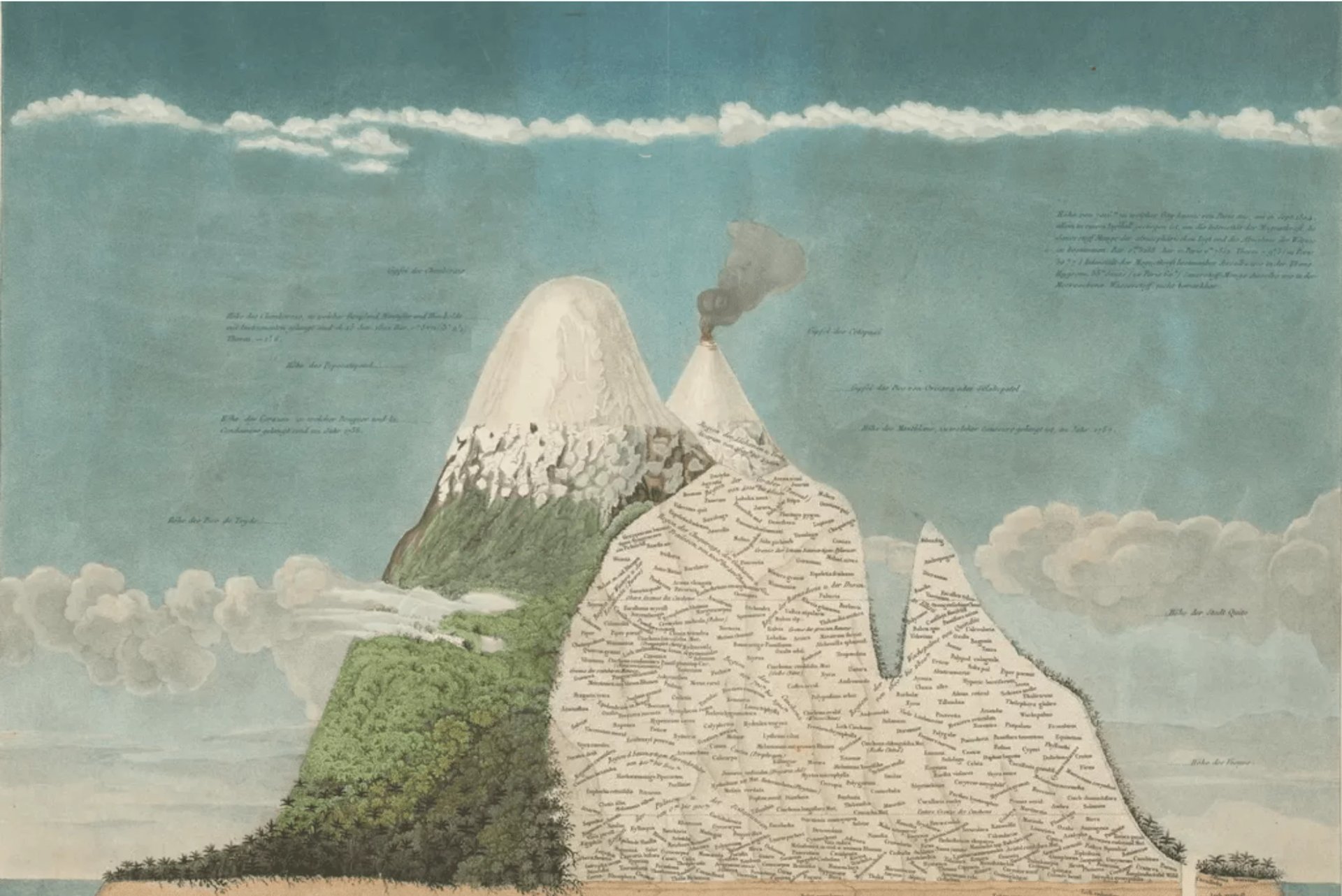
Alexander von Humboldt
'Tableau Physique' (1807)
https://www.smithsonianmag.com/history/pioneering-maps-alexander-von-humboldt-180973342/
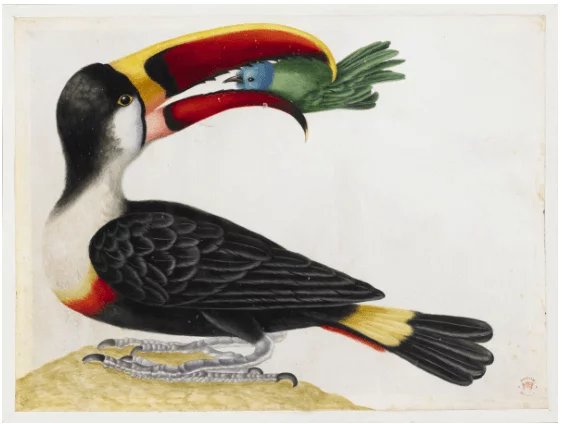
Maria Sibylla Merian
'Toucan, with red and yellow bill and black body' (1701-05)
Watercolor and bodycolour on vellum
https://www.britishmuseum.org/collection/animals/maria-sibylla-merian-pioneering-artist-flora-and-fauna
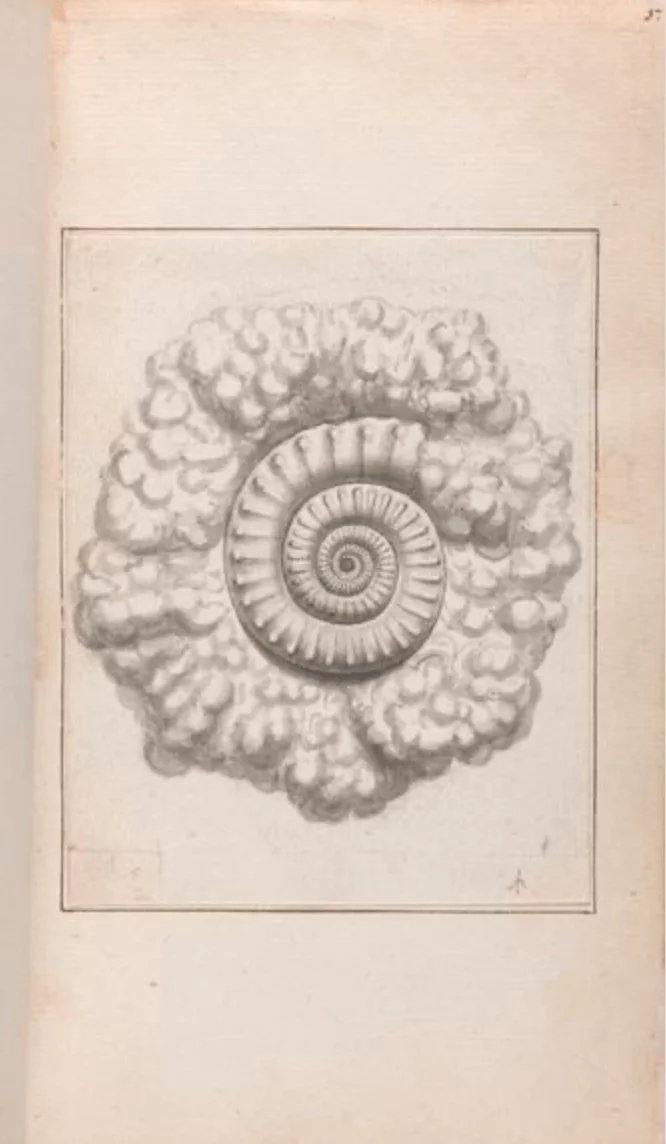
Ann or Susanne Lister
'Conchyliorum Bivalvium' (1696)
Copper engraving
https://collection.sciencemuseumgroup.org.uk/documents/aa110069036/original-drawings-for-listers-conchology
Background
The inspiration for this project is fed by three enduring channels in my life: physics, drawing, and pedagogy. As an undergraduate I studied both fine art and astronomy, where I developed a practice of observational oil painting and drawing, alongside a foundation in math and physics. After graduating, I taught drawing and painting at the Community College of Philadelphia and Mural Arts Philadelphia. A persistent curiosity drove me to enroll in astrophysics courses as a post-baccalaureate student in New York, where I was able to fill in some gaps left by my undergraduate degree, and get exposure to graduate level study of astrophysics.Though I continued to progress in both disciplines, I struggled to find a meaningful point of convergence. It wasn’t until I moved to London for a master’s degree in fine art that I began to see a natural convergence take shape. I studied at UAL, where I was able to continue my painting practice and define for myself what it means to be an ‘observational painter’, while researching a relationship between visual art and physics. My work across drawing and painting is grounded in extended observation: I take measurements, compare tones, and build compositions through processes of erasure and layering. Increasingly, I understand these works not as representations of their subjects (windows, interiors, faces), but as records of my attempt to understand them. While researching I came across Heisenberg’s 1958 paper The Representation of Nature in Contemporary Physics in which he expressed a similar sentiment concerning the discipline of science: “Natural science always presupposes man, and we must become aware of the fact that, as Bohr has expressed it, we are not only spectators but also always participants on the stage of life”. He argues that the acceptance of quantum physics requires a phenomenological approach to physics: human understanding is baked in. A drawing, too, cannot separate itself from the subject or the artist. Another pivotal moment for me came in 2024, when I attended a lecture by Bob Coecke at the Royal Institution, where he presented a diagrammatic, picture-based approach to teaching quantum mechanics. While not fine art per se, his method pointed toward the potential of visual thinking to expand the conceptual tools of physics. I began to see that drawing could act dually as a tool for representation and method of reasoning. In my second year at UAL I began to experiment with this idea. I interviewed a number of PhD students, scientists, and artists, and had them draw from a few topics they were familiar with such as ‘uncertainty’, ‘porosity’ and ‘complexity’. The results were interesting, if a little disjointed. The artists were much more comfortable working abstractly, whereas the scientists tended to draw figuratively from their experimental apparatus or textbook diagrams. Something was lost in translation between what C.P. Snow famously called ‘The Two Cultures’ of the sciences and humanities. With a more robust education in visual language, I believe these scientists would have a better chance of expressing their intuitions.
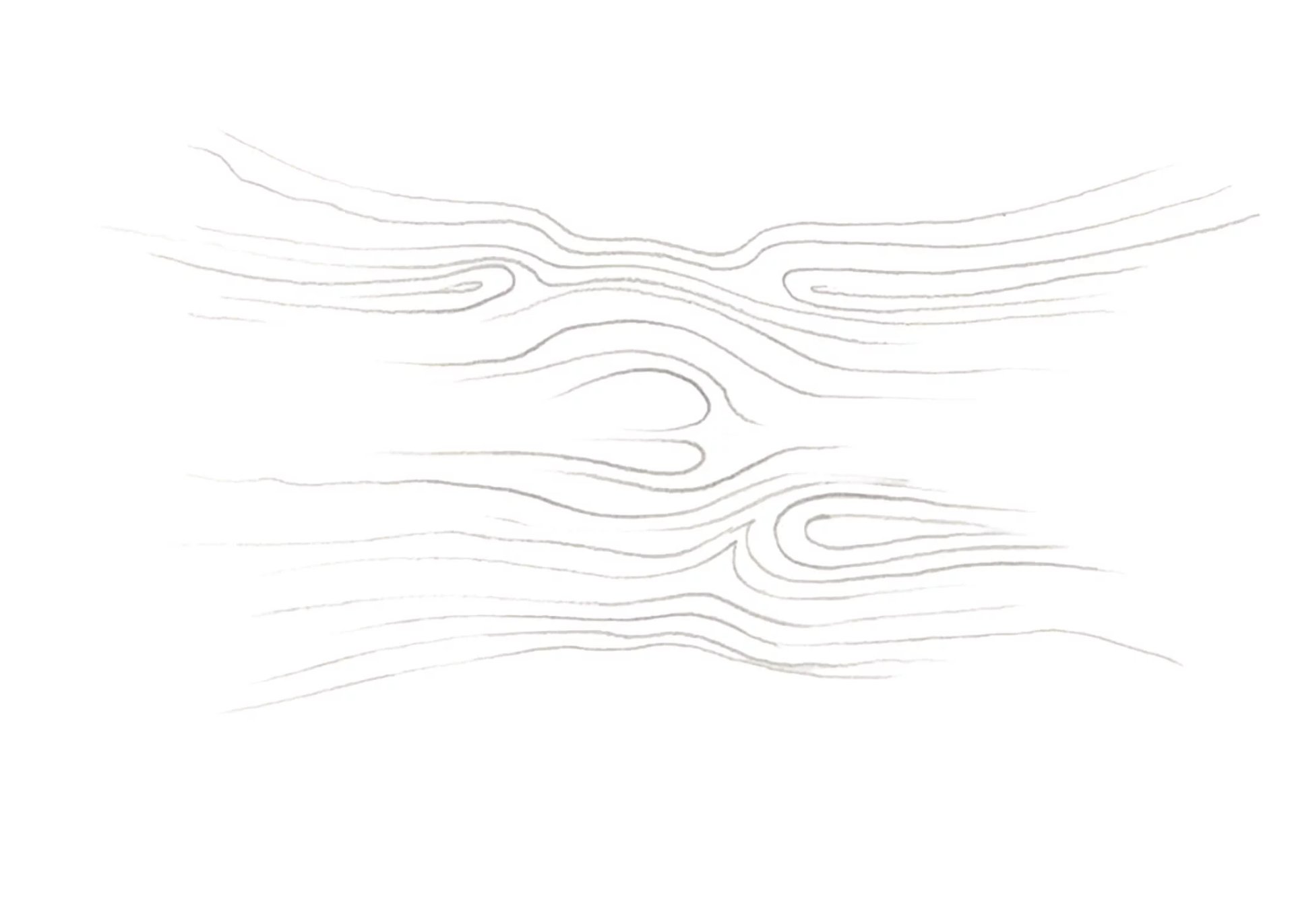
Below are images from the preliminary proof of concept. In 2024, I sent an email invitation to institutions across London, seeking researchers working at the intersection of art and science to participate in a drawing exercise. I received responses from artists, PhD students, and professional scientists. While I was able to interview some participants beforehand, others contributed without a prior conversation. Several participants proposed their own topics, which I encouraged, provided they chose subjects they were already familiar with. I transformed their drawings into a series of Risograph prints and presented the collection at the Camberwell College of Art Research Festival in 2024.
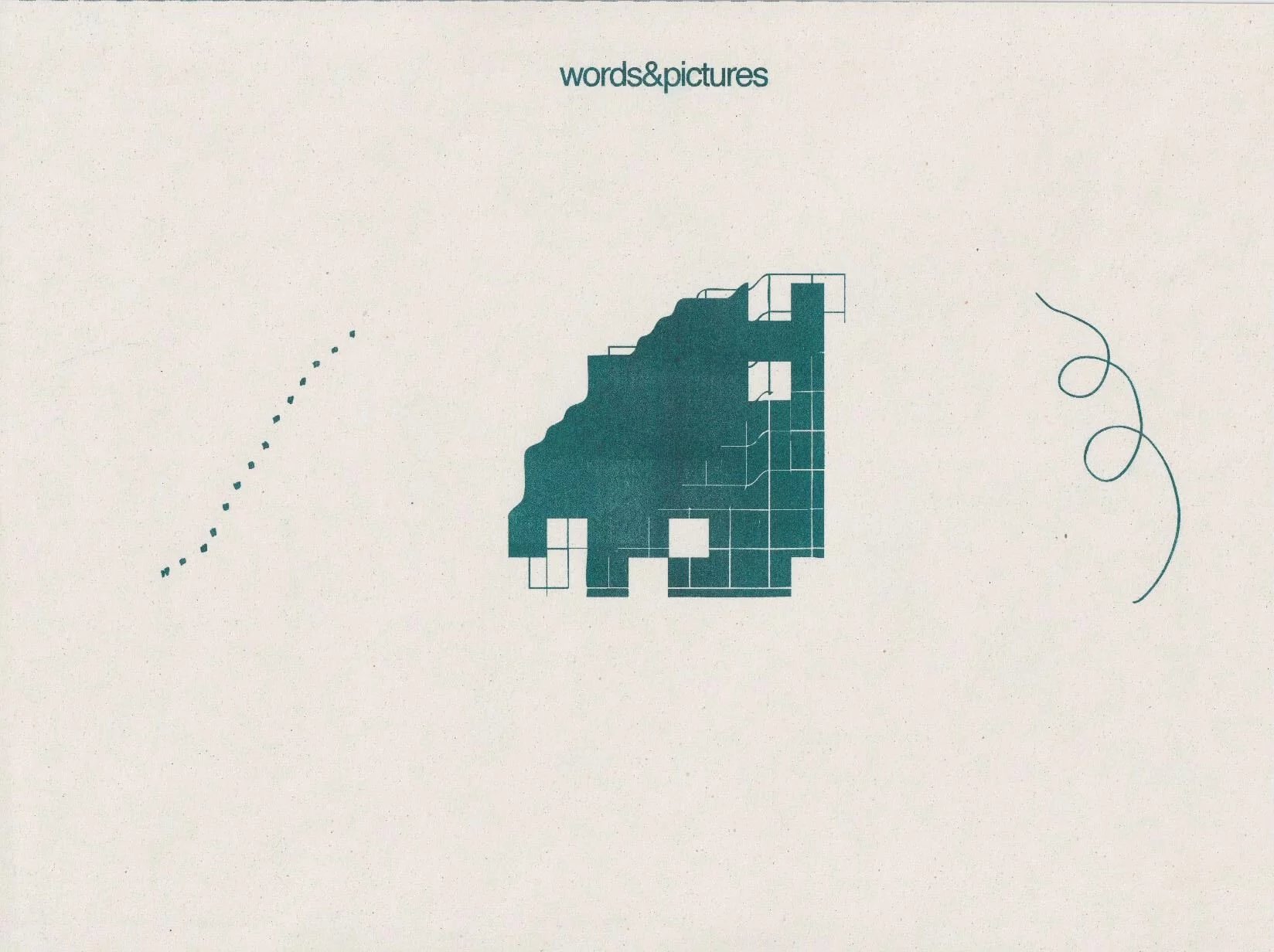
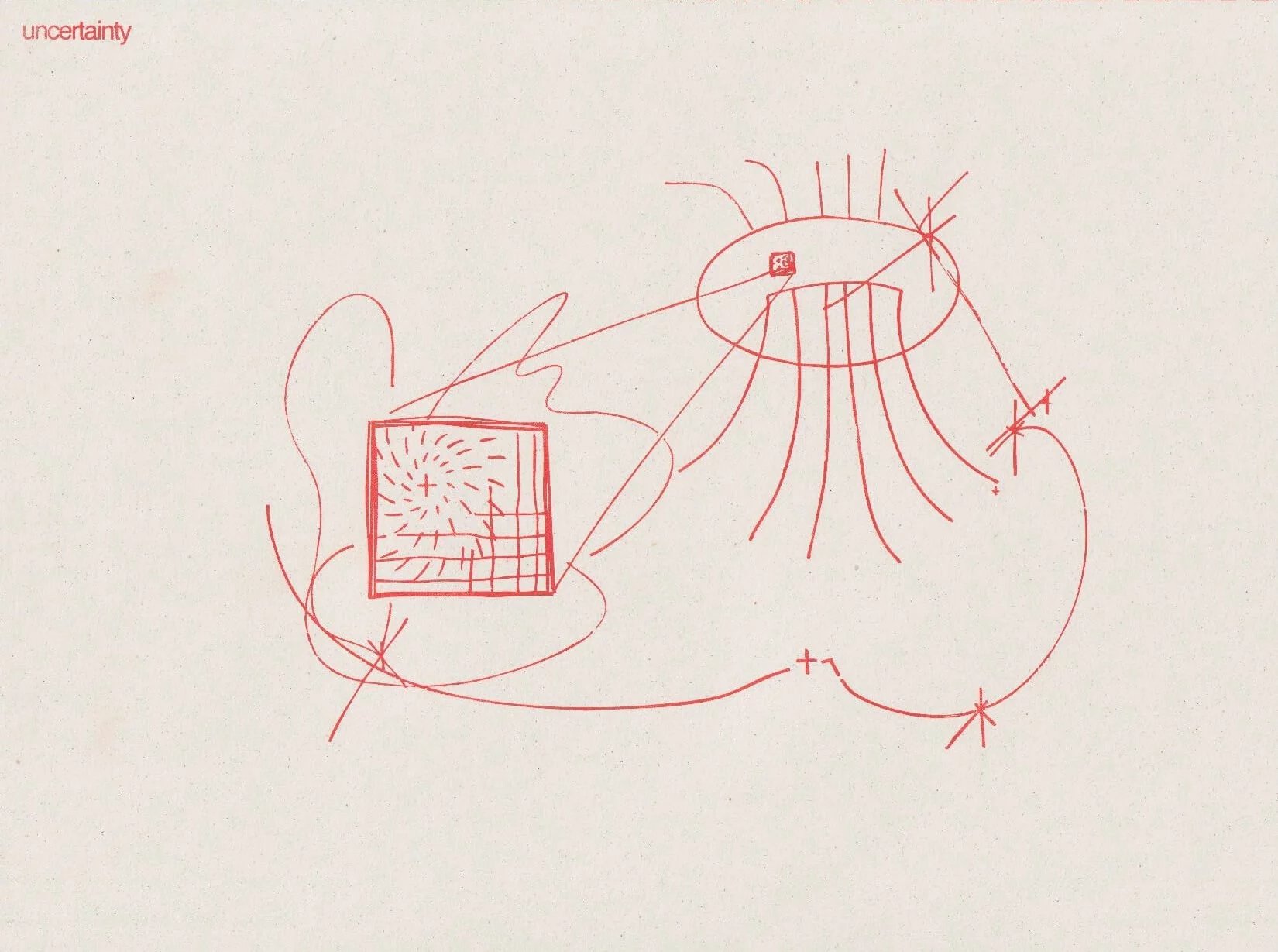
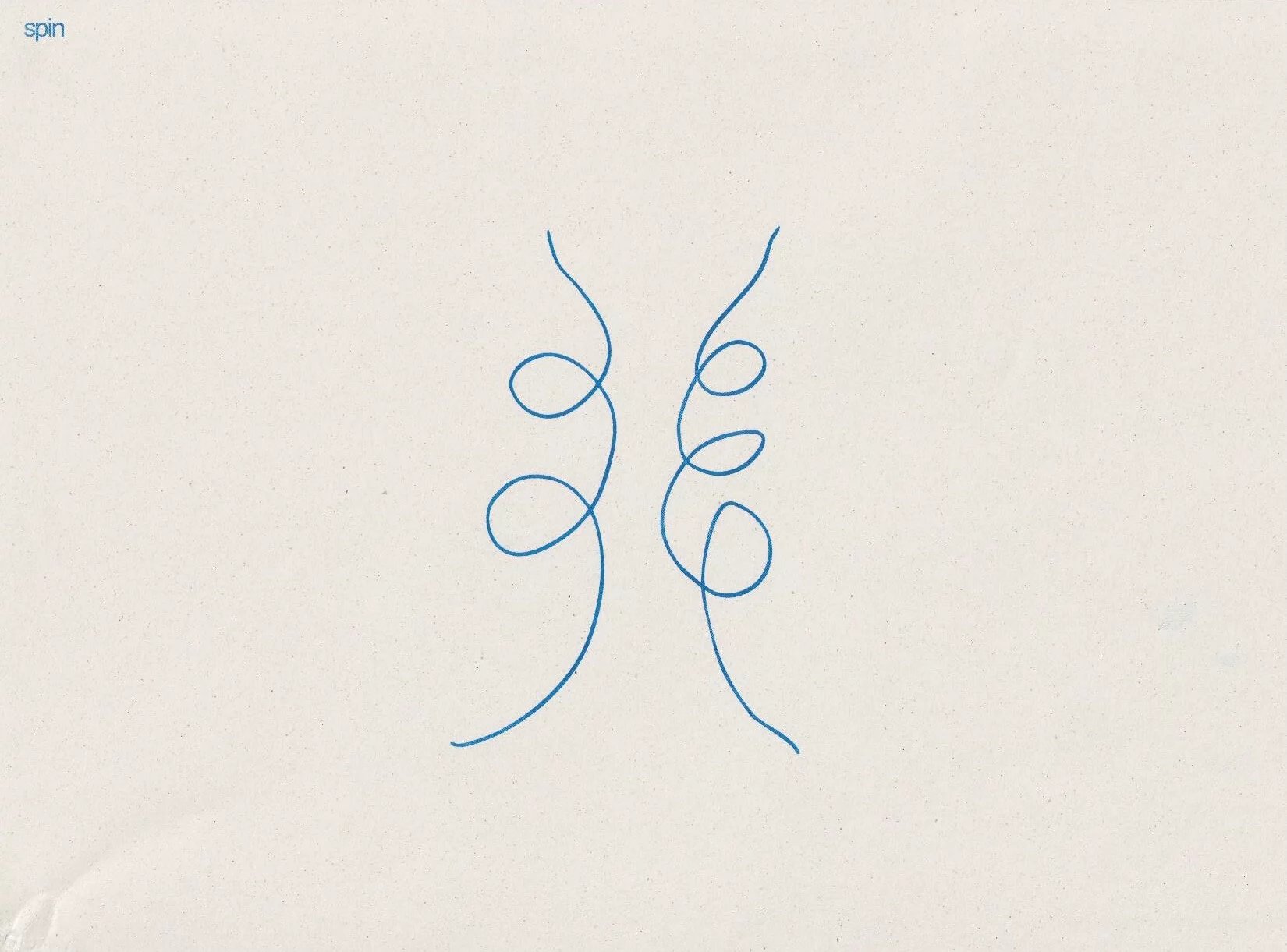
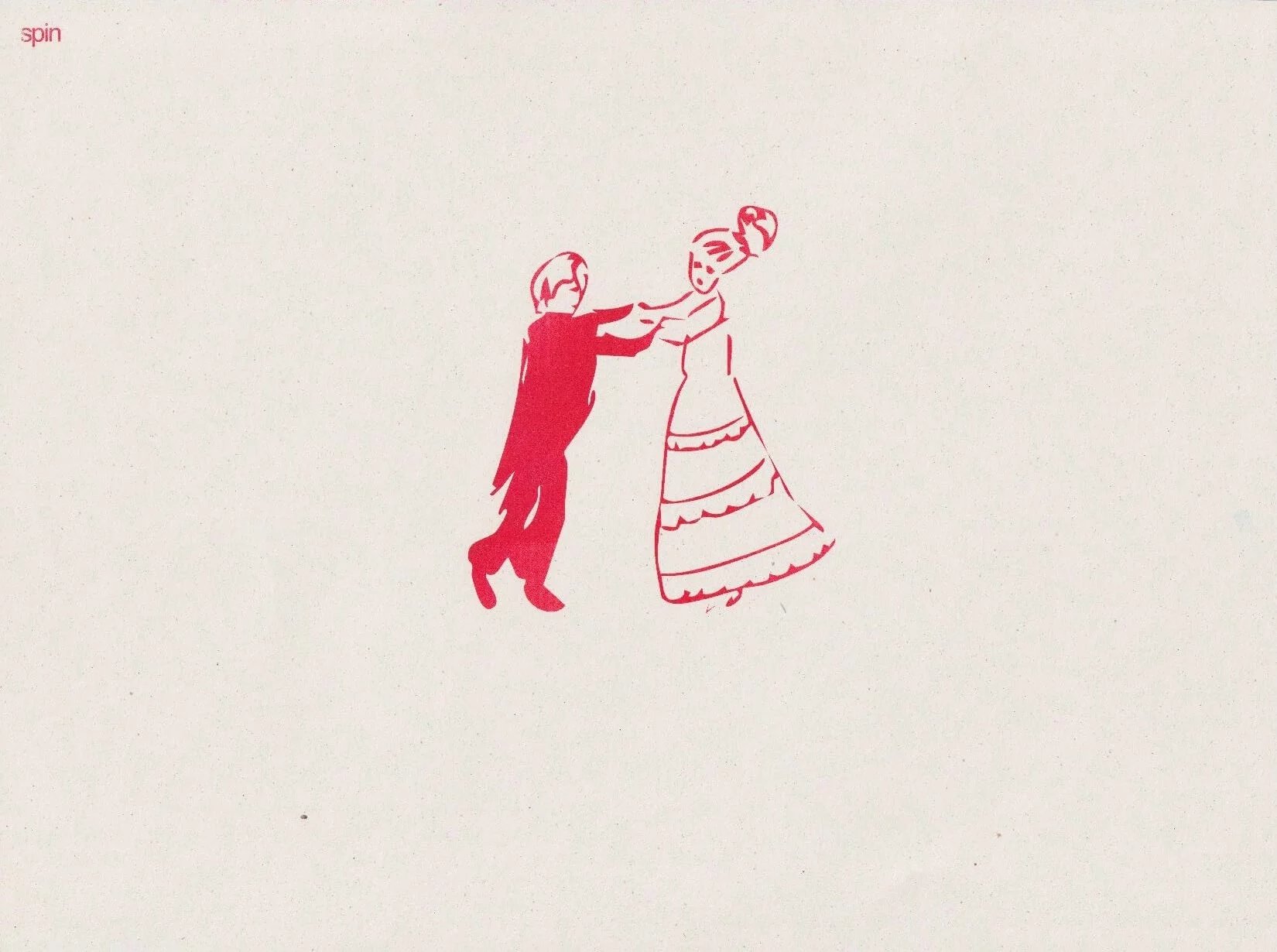
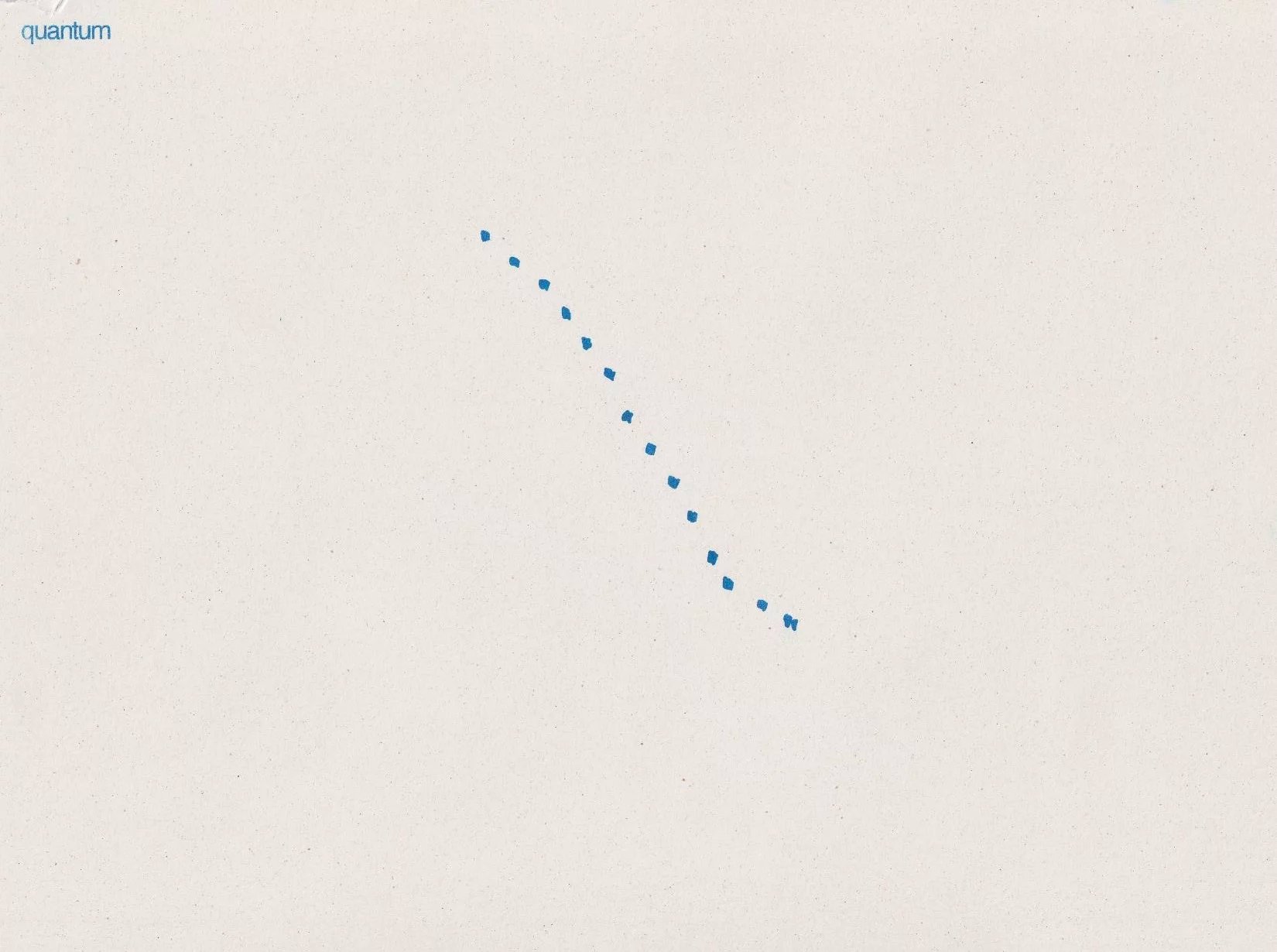
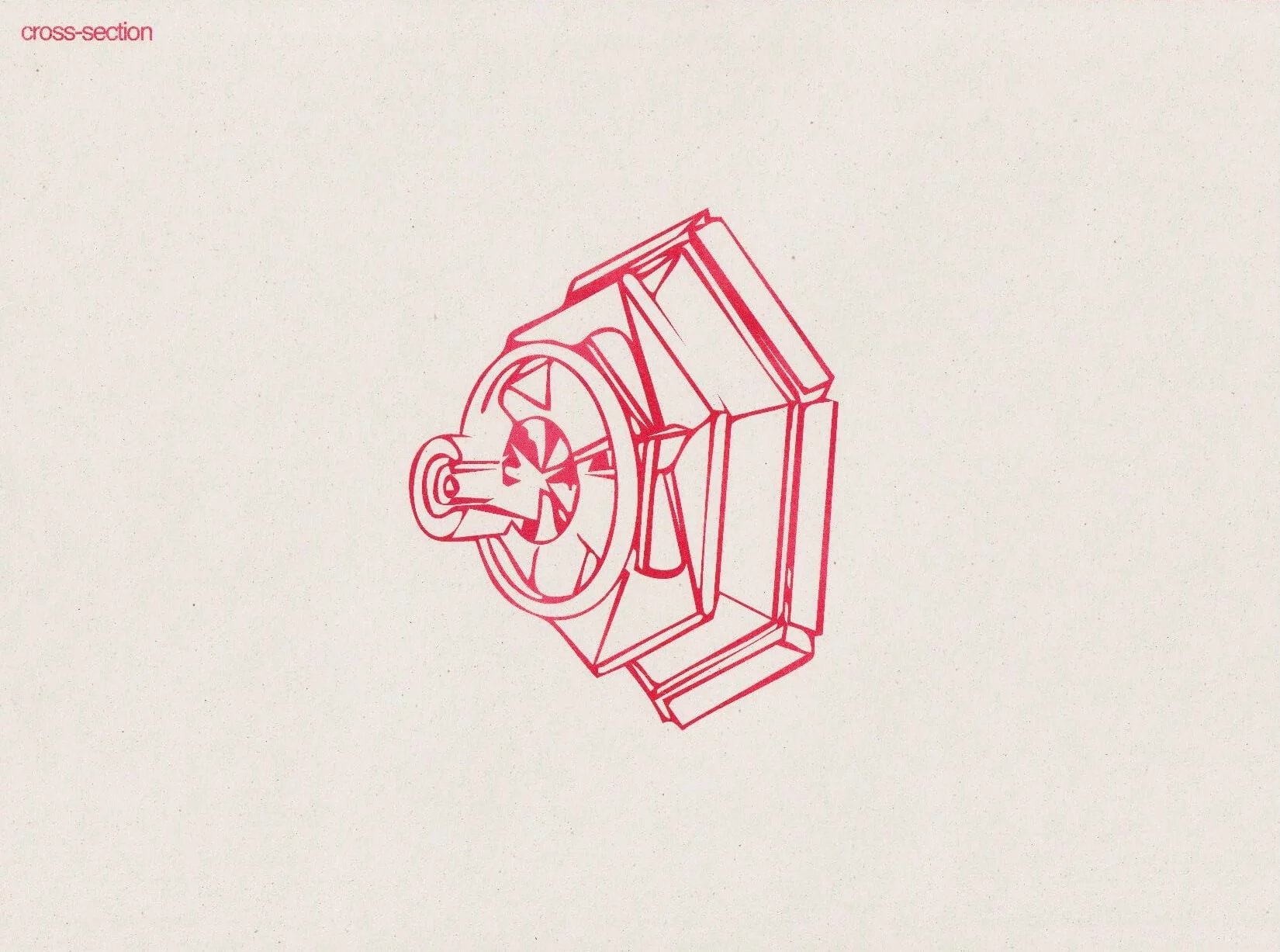
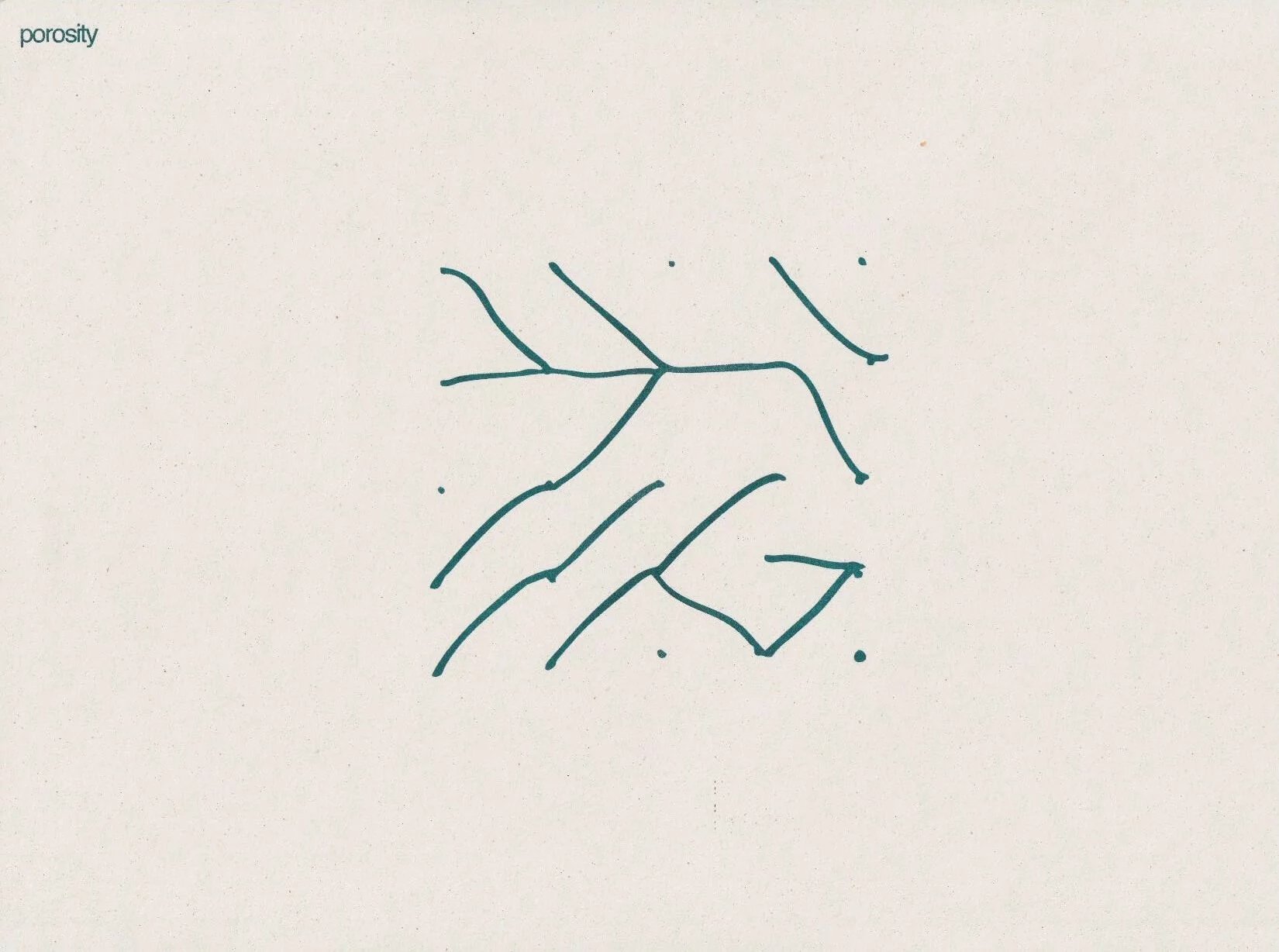
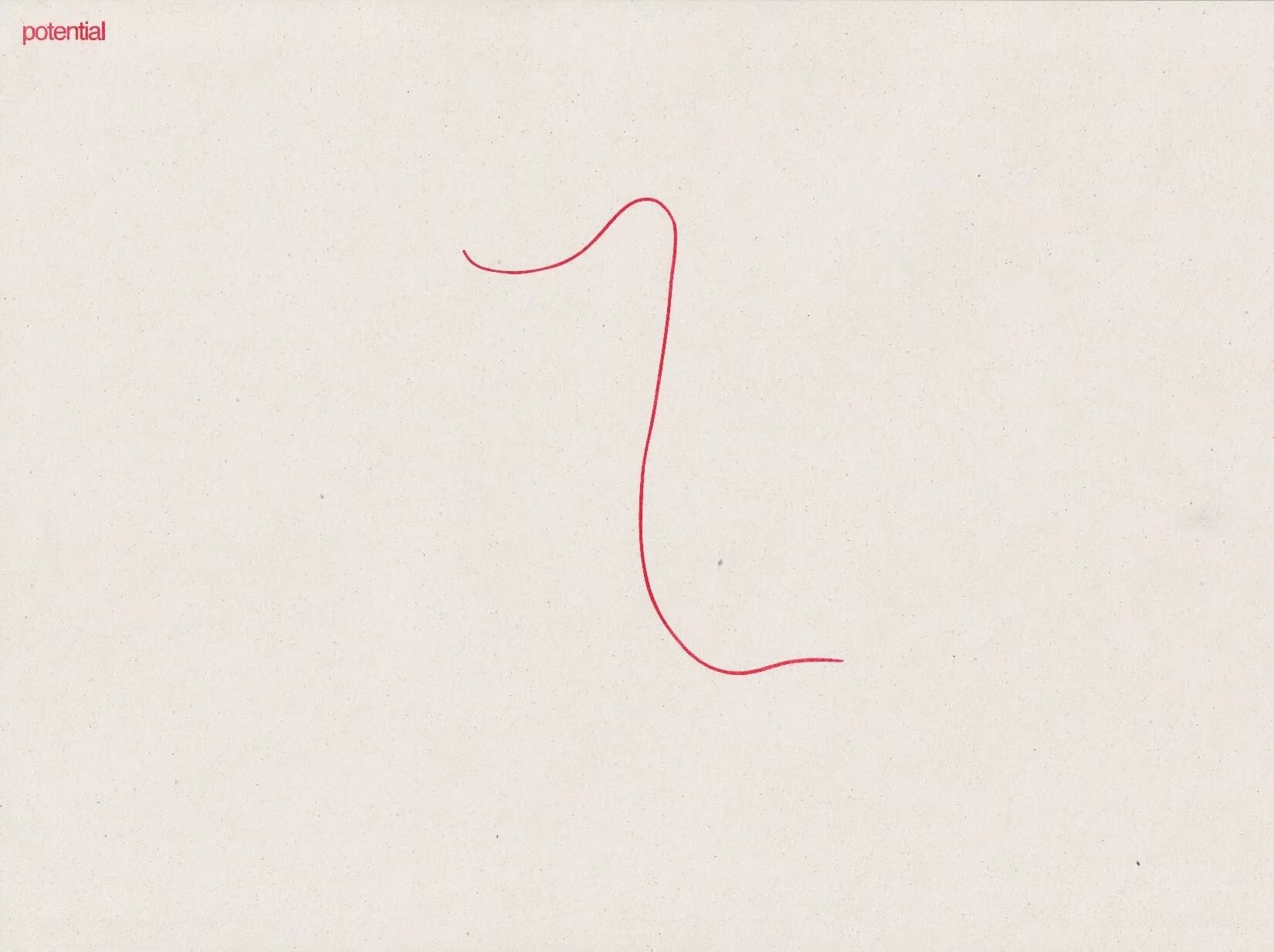
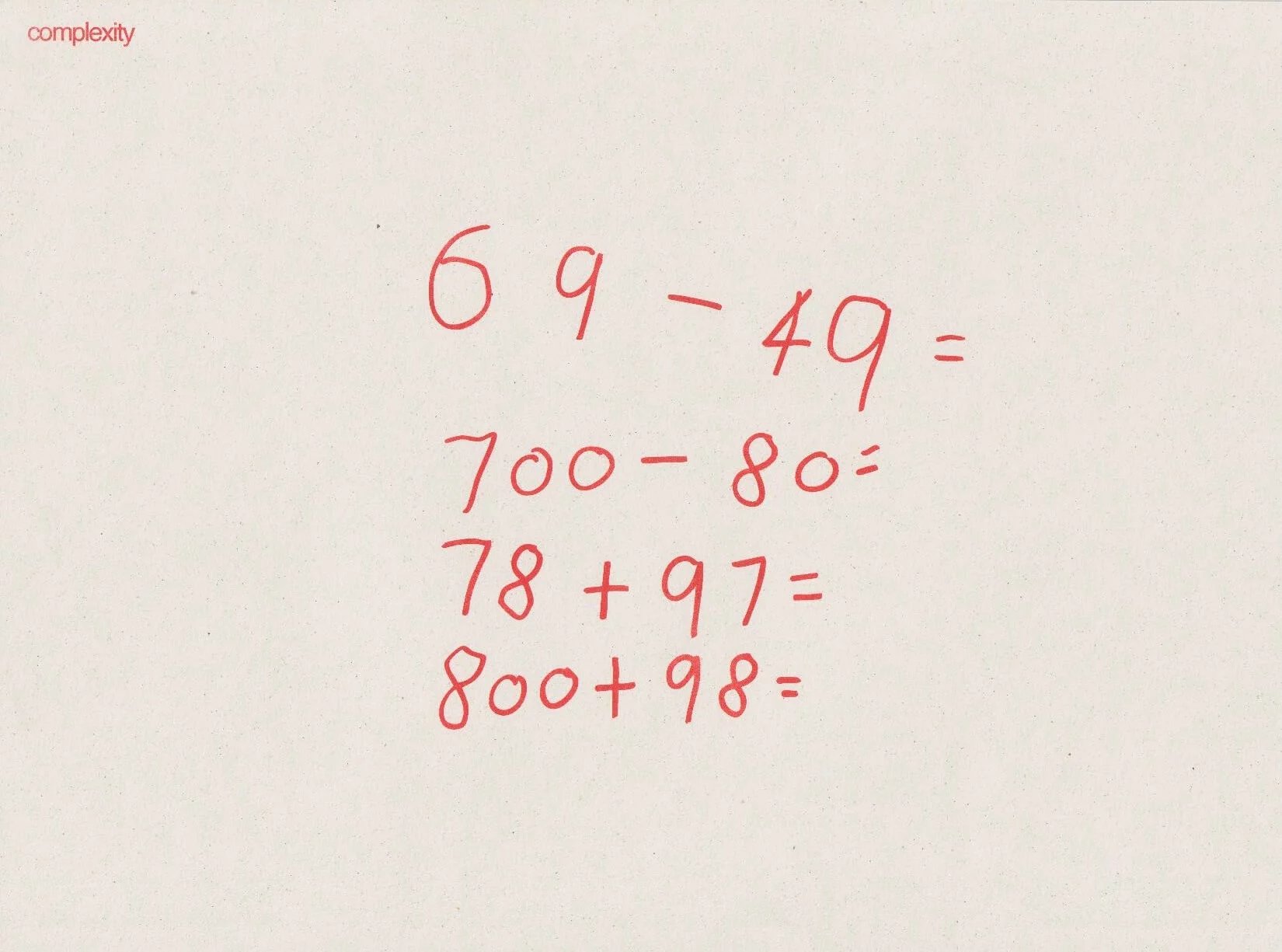
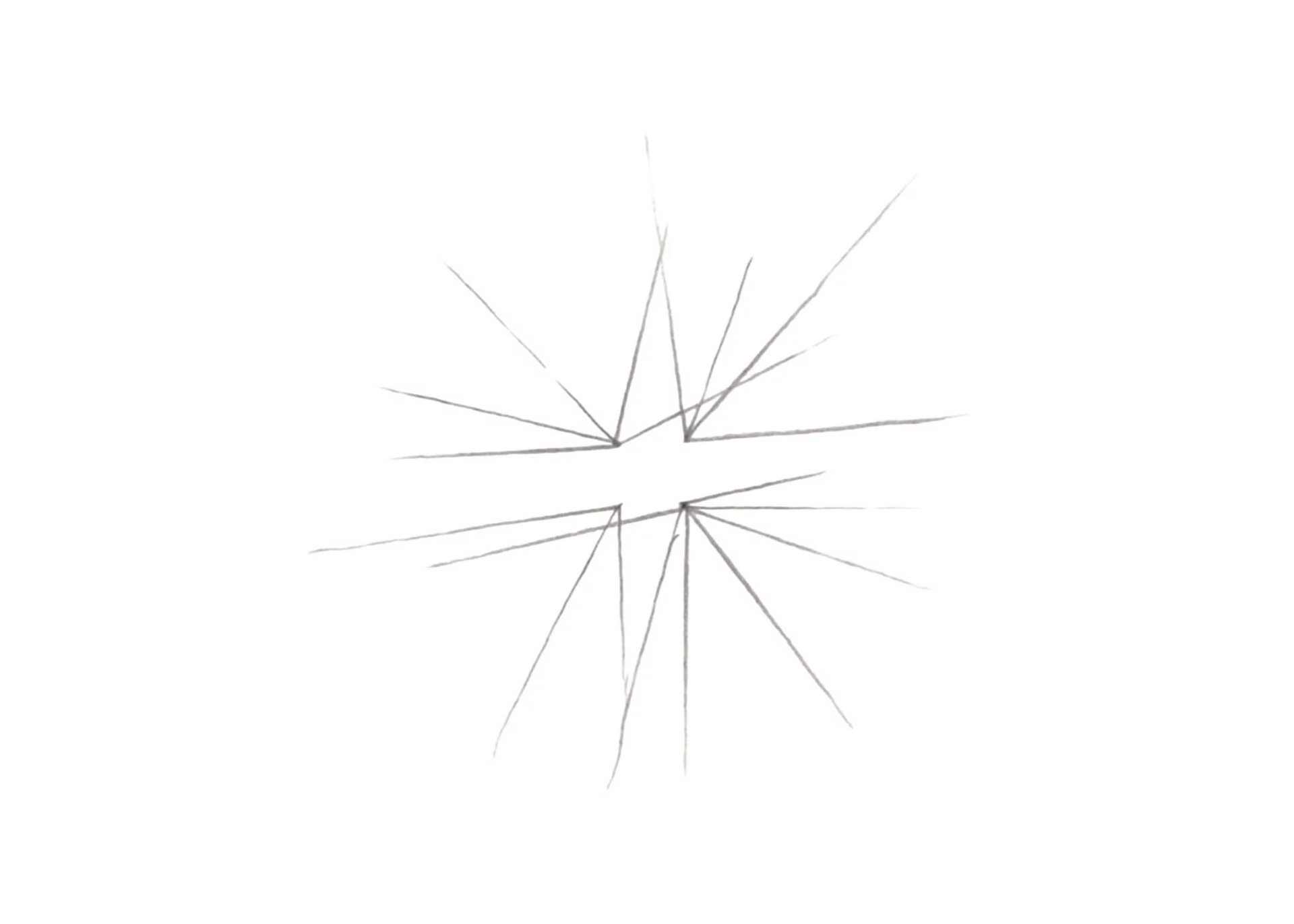
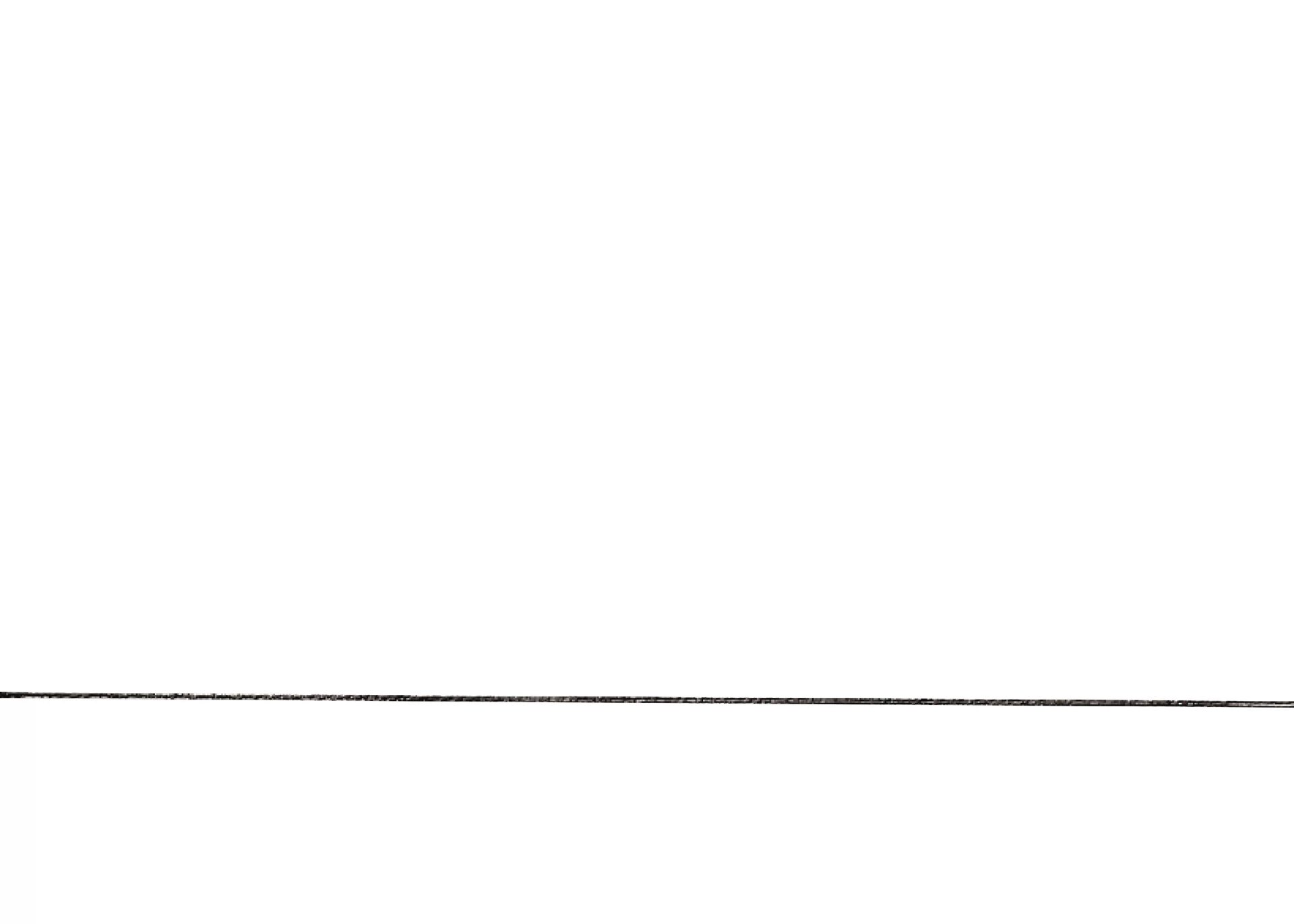
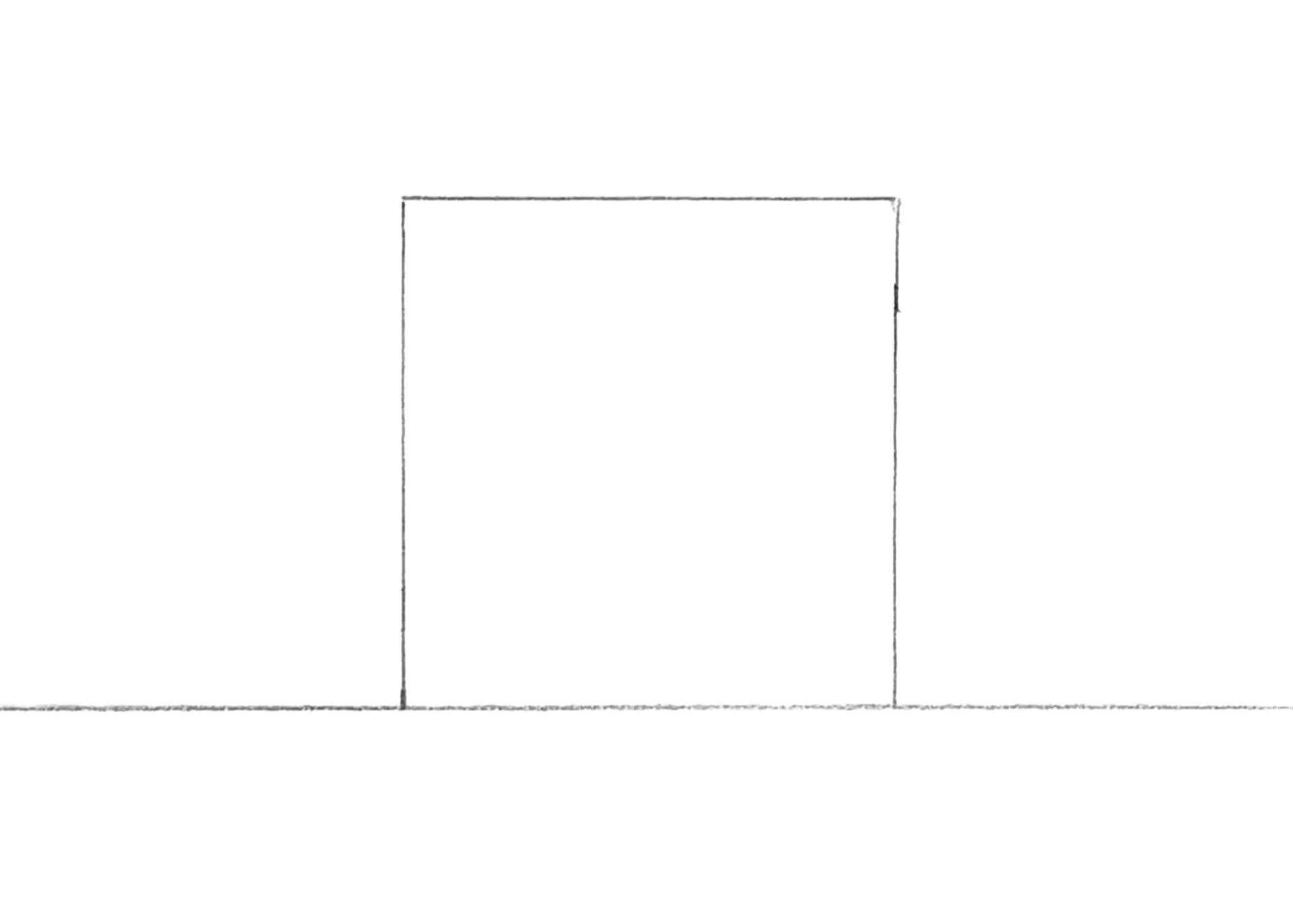
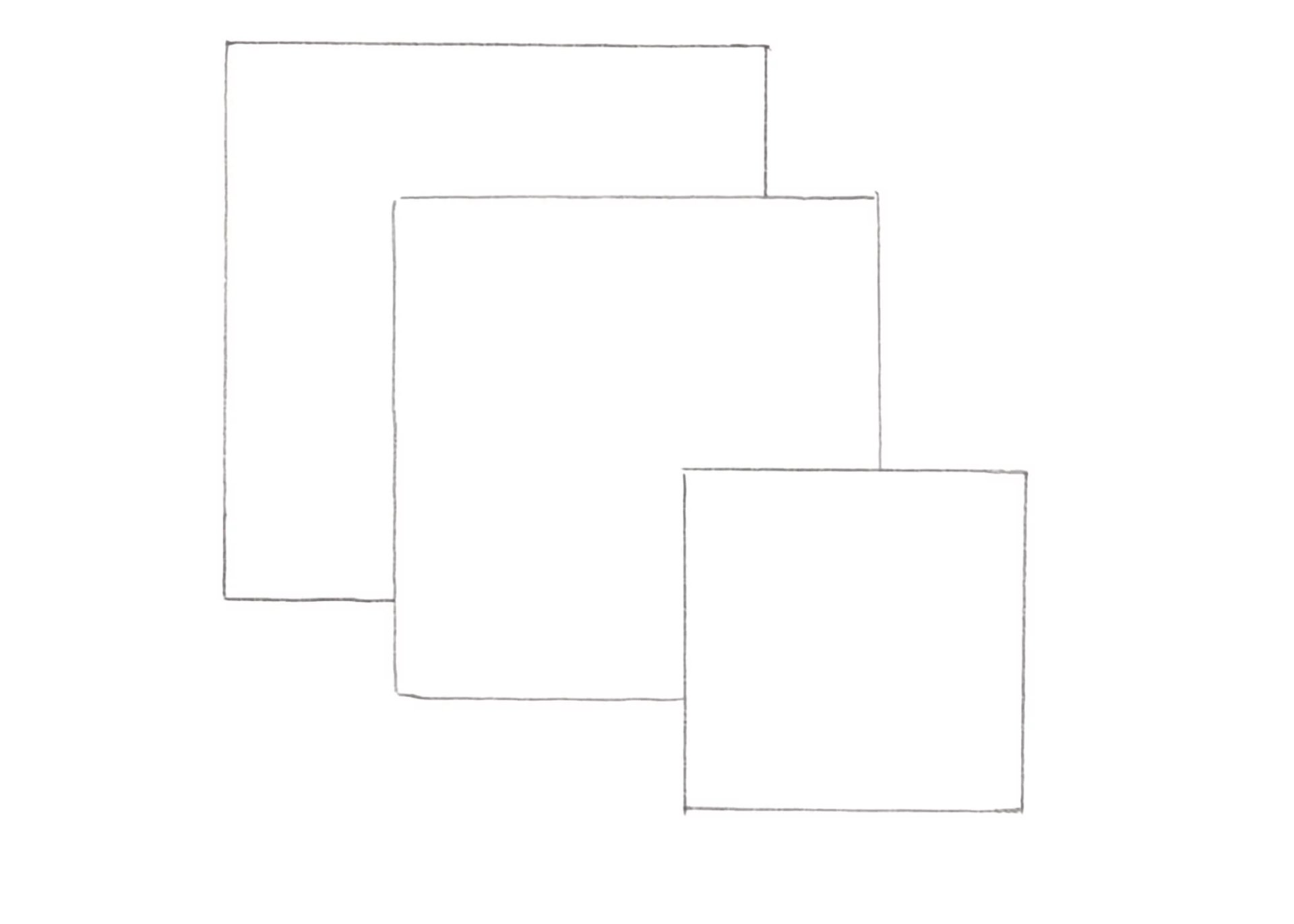
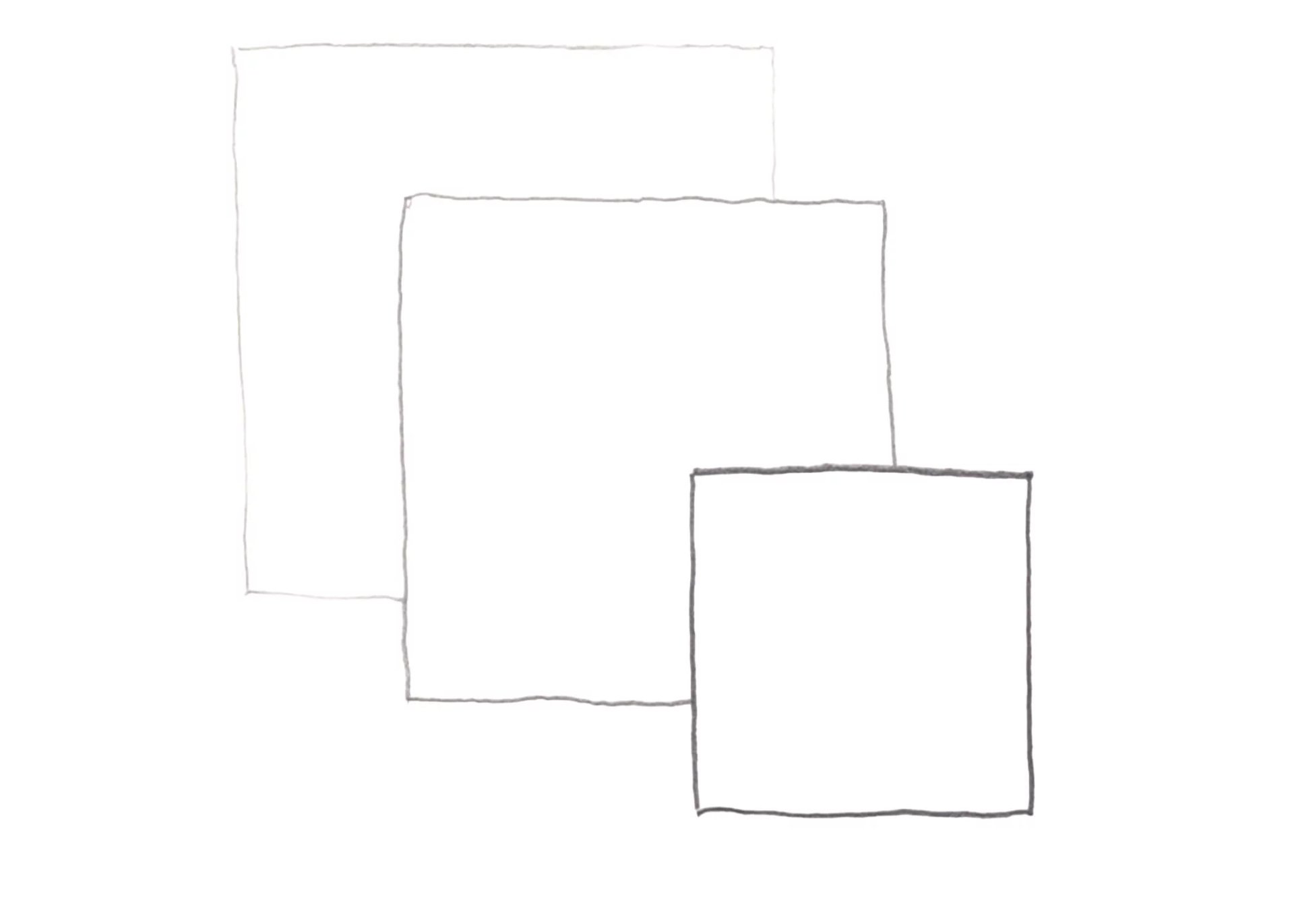
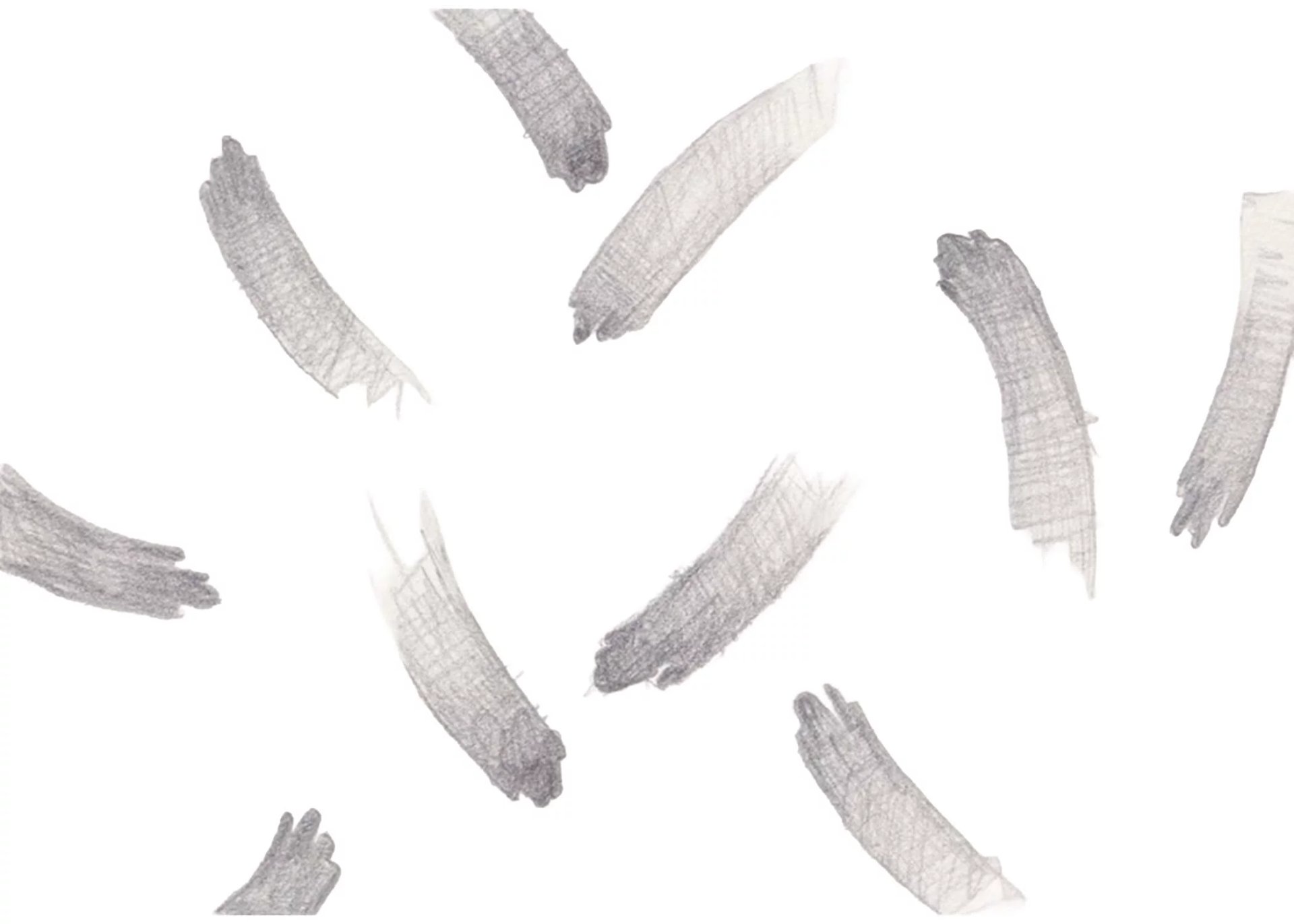
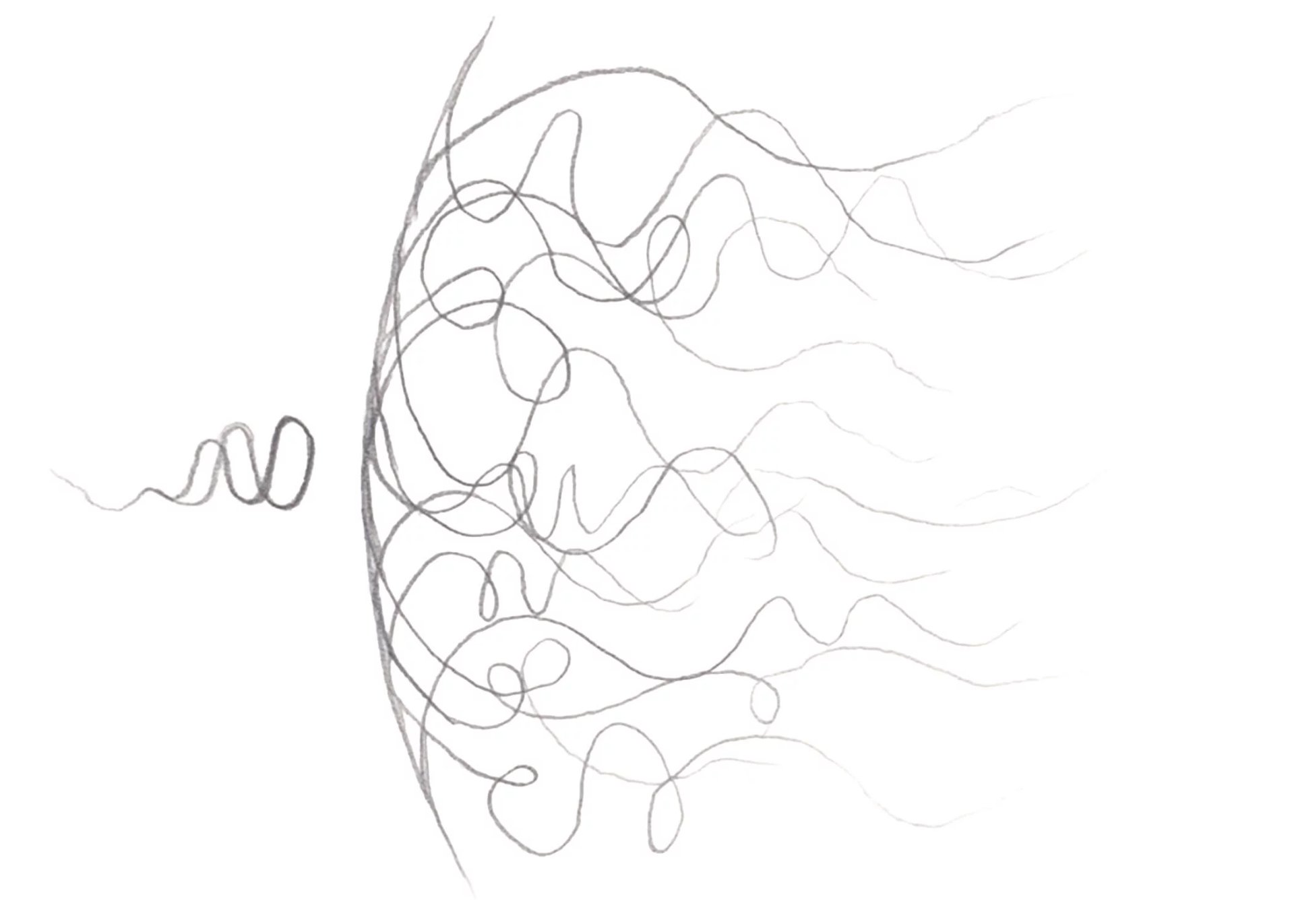
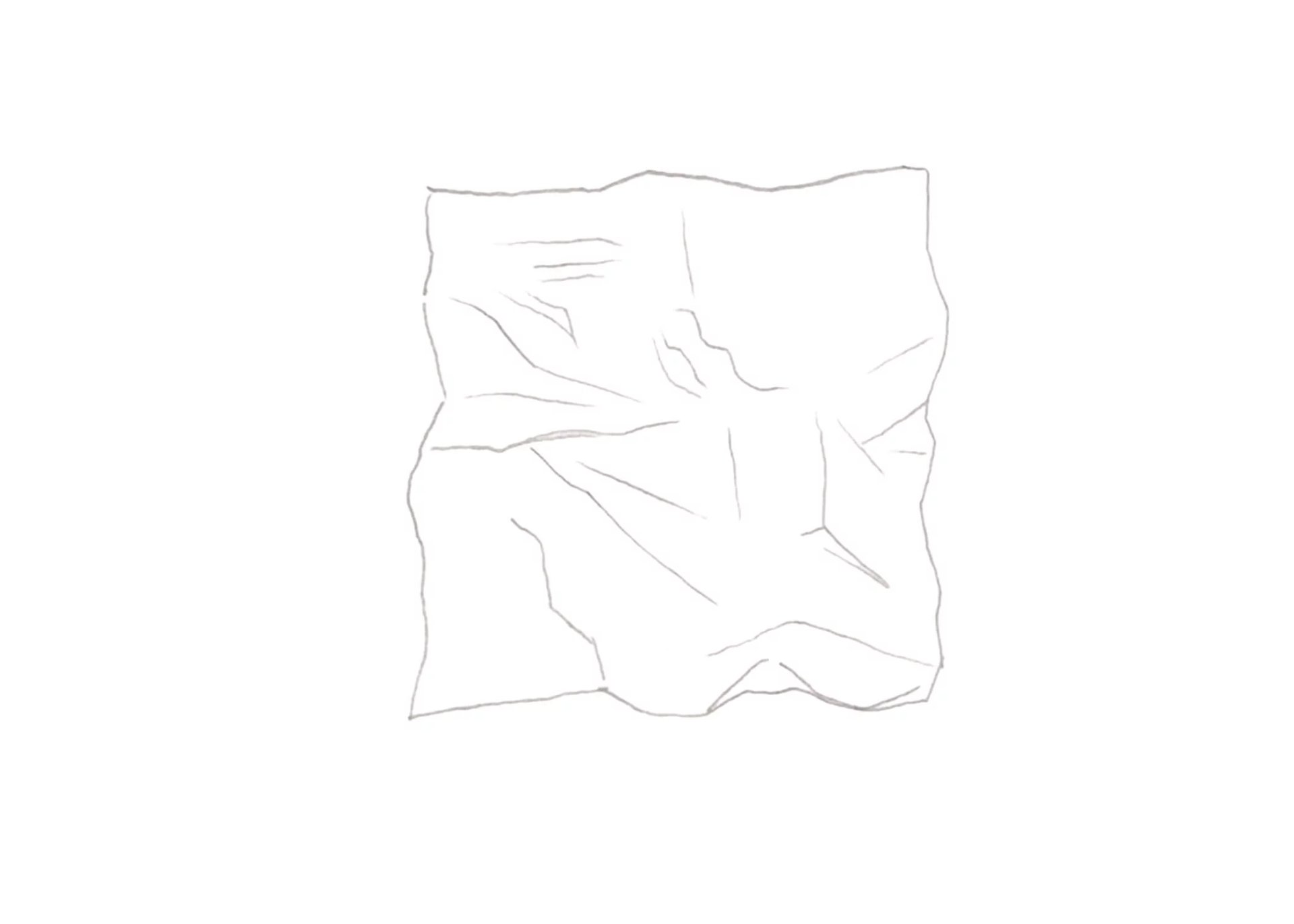
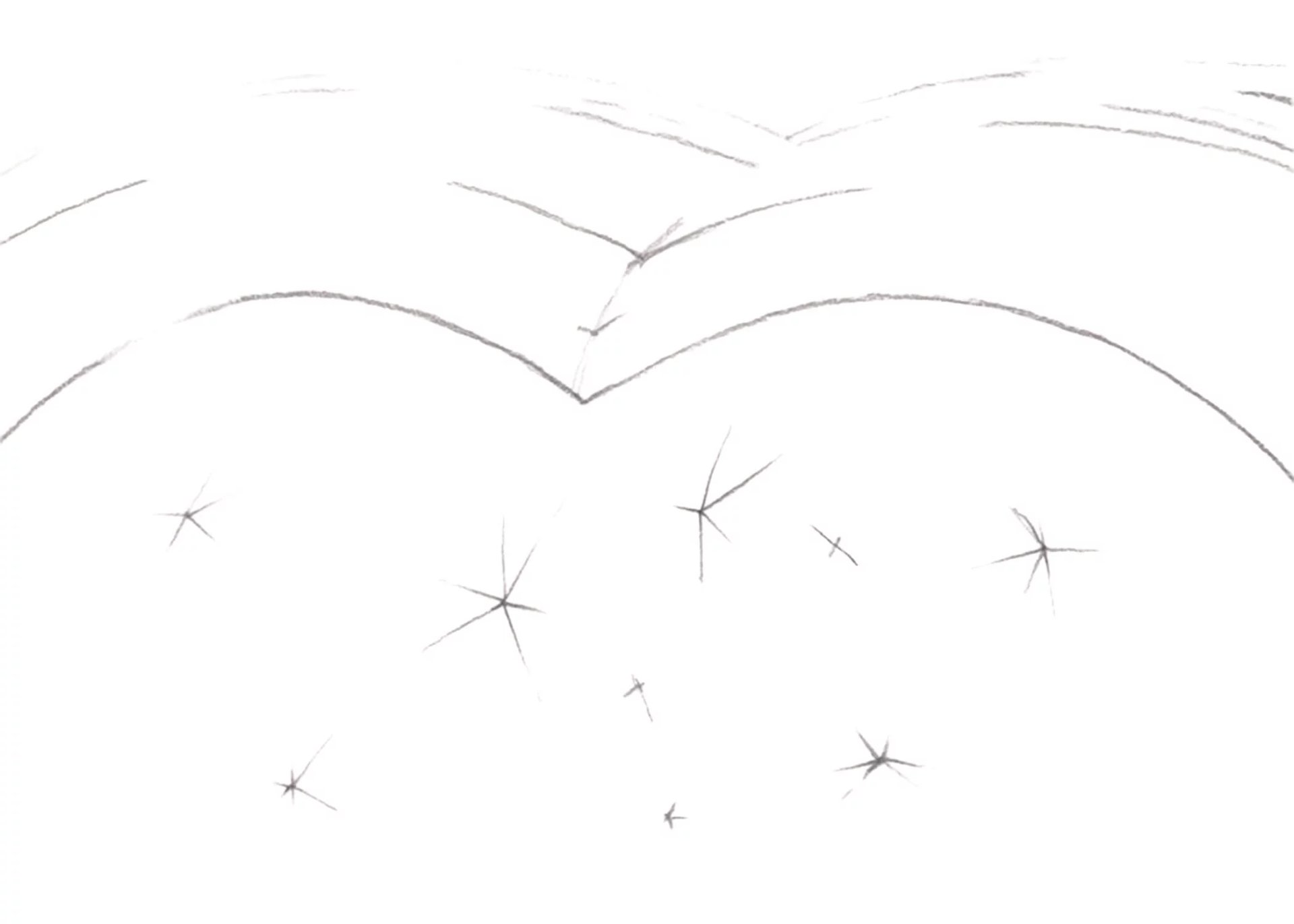
Unlike in an alphabet-based language, meaning in visual communication does not need to be mutually agreed-upon. Everyone is literate when it comes to 'reading' a drawing, and everyone is capable of saying something with a drawing. Below are a few examples of how you might 'say' something with a simple drawing, though there is no one way to say anything. You do not need to string together units, or bits or information to say something more complicated: it can all be wrapped up in a simple composition. Below these are a few examples of my own compositions.
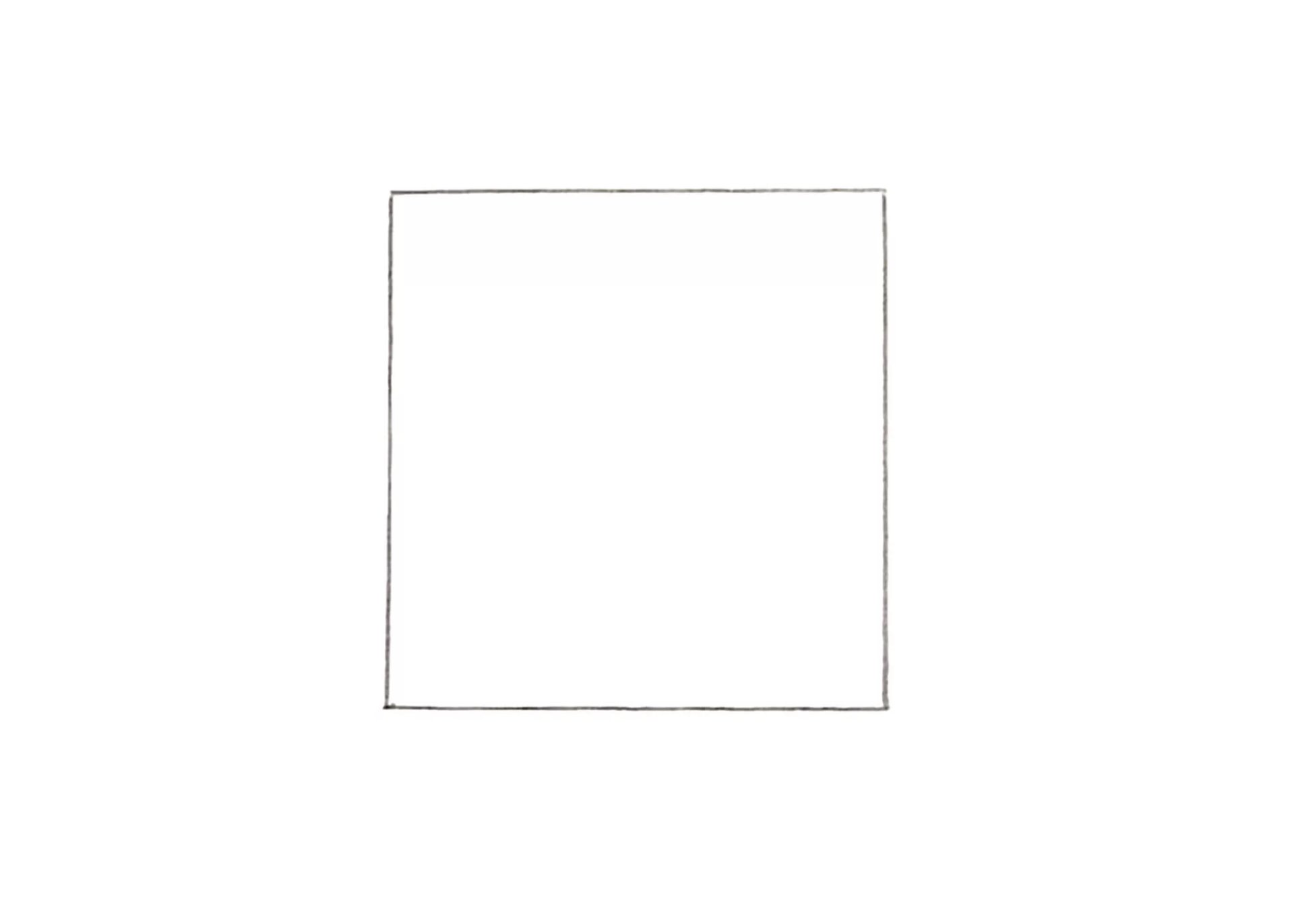
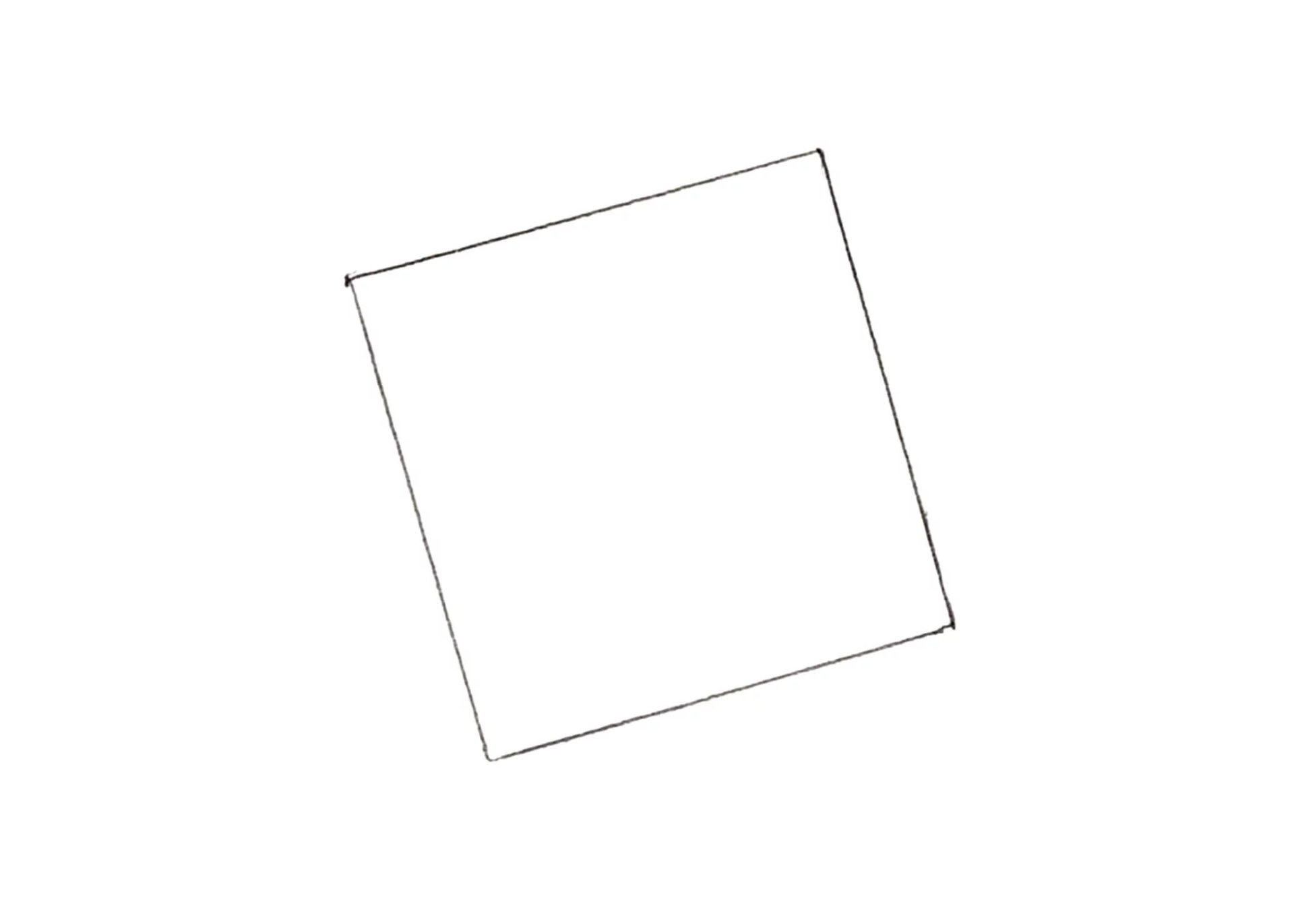
A Few Examples of my Own...
If you would like to participate, would like guidance on how to participate, or have any other questions, please reach out to me via email at mathewreedmart@gmail.com